 20 May 2026
 Share
Share
1
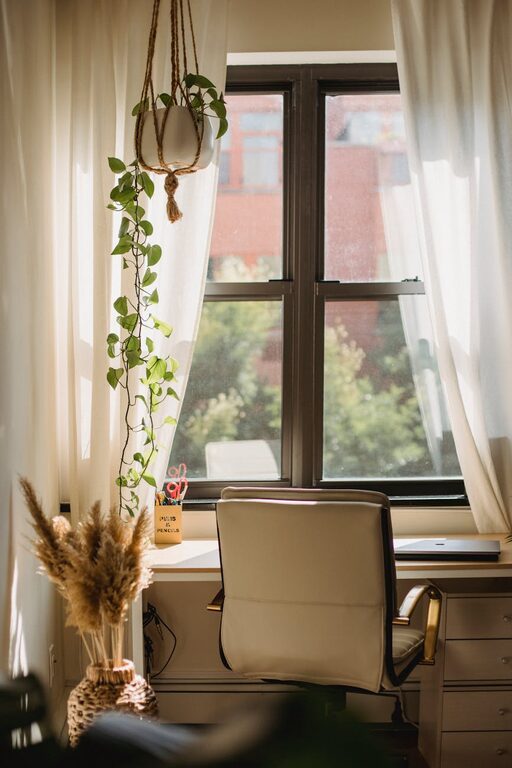
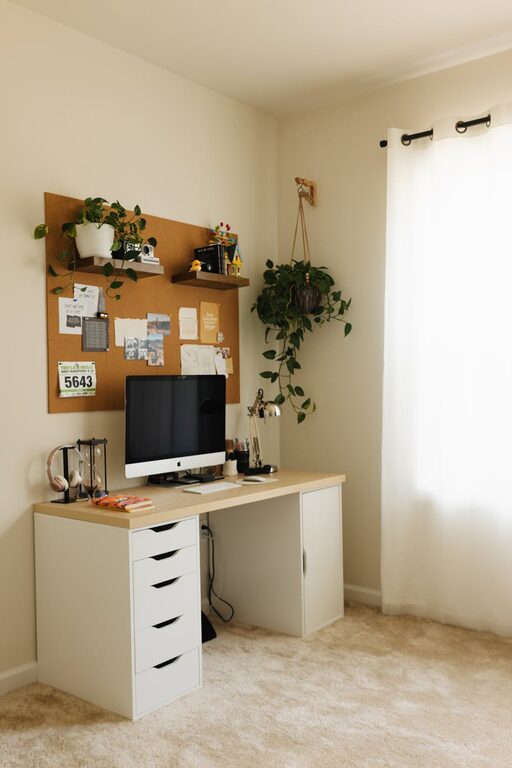
Creating a home workspace that is both cozy and functional can make a significant difference in your daily productivity and overall well-being. With many people spending increased time working from home, having a dedicated area designed to meet your needs is essential. Here are some helpful tips to help you create a workspace that balances comfort with efficiency.
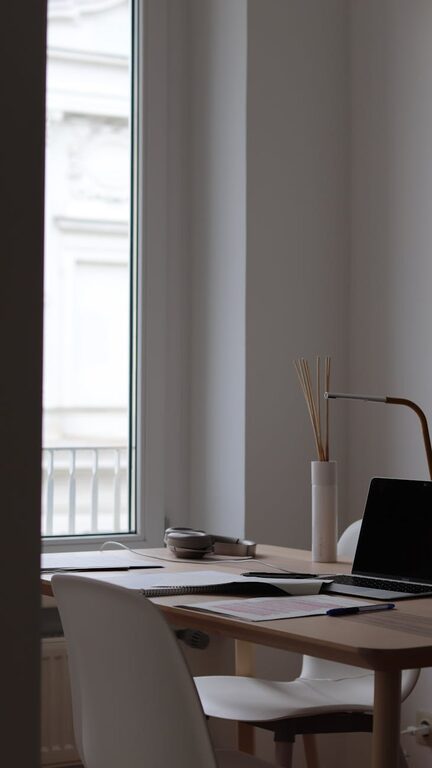
Finding the ideal spot in your home for a workspace is the first step. Consider areas that offer natural light, minimal distractions, and enough space to accommodate your work essentials.
– Natural Light: Position your desk near a window if possible. Natural light improves mood and reduces eye strain.
– Quiet Area: Select a space away from noisy zones like the kitchen or living room to help maintain focus.
– Adequate Size: Ensure the area has enough room for your desk, chair, and storage solutions without feeling cramped.
Comfort is key to staying productive for long hours. Select ergonomic furniture that supports good posture and reduces physical strain.
– Desk: Choose a desk with enough surface area for your computer, notebooks, and other tools.
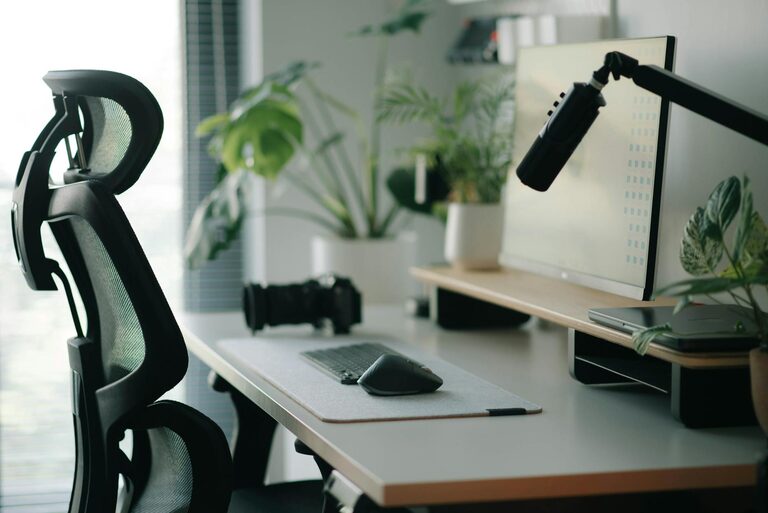
– Chair: Invest in an adjustable chair with good lumbar support. This prevents back pain and enhances comfort.
– Accessories: Consider footrests or wrist supports if needed to improve ergonomics.
An organized workspace helps keep your mind clear and tasks on track. Use storage and organization tools to keep clutter at bay.
– Storage Solutions: Use shelves, drawers, or filing cabinets to keep documents and supplies tidy.
– Cable Management: Organize cords with clips or under-desk trays to prevent tangling.
– Daily Essentials: Keep frequently used items within easy reach to minimize interruptions.
Making your workspace inviting encourages you to spend more time there and enjoy your workday.
– Warm Colors: Incorporate calming tones like soft blues, greens, or neutrals in your décor.
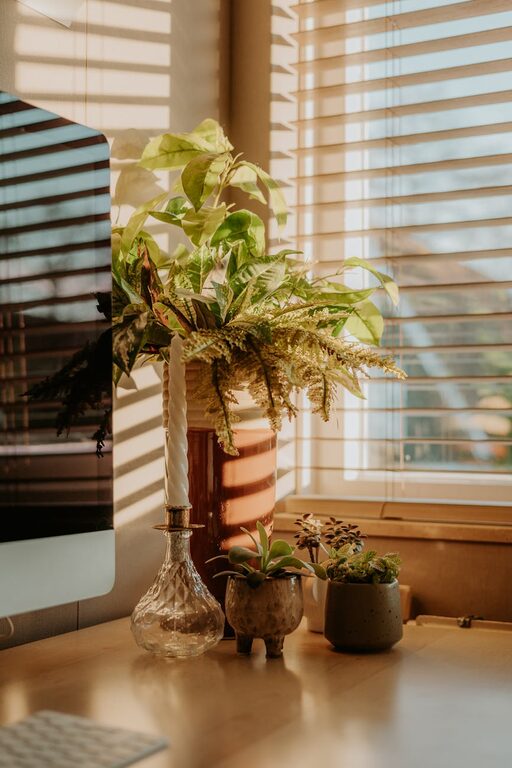
– Plants: Add a small plant or two. Greenery can reduce stress and improve air quality.
– Textiles: Include soft elements like a cushioned chair pad or a throw blanket for added comfort.
– Lighting: Use adjustable lamps with warm bulbs to create a comfortable atmosphere during darker hours.
Technology can enhance your workspace but can also become a source of distraction if not managed well.
– Monitor Setup: Use a monitor riser for better eye alignment and added desk space.
– Keyboard and Mouse: Invest in ergonomic models to reduce strain.
– Noise Control: Use headphones or white noise machines if background noise is an issue.
– Declutter Digital Space: Organize your desktop and files to streamline your workflow.
A clear boundary between work and home life helps maintain balance and increases productivity.
– Set Work Hours: Decide on consistent working hours to maintain focus and prevent burnout.
– Designated Workspace: Use your workspace only for work to reinforce mental separation.
– Breaks: Schedule regular breaks away from your desk to rest your eyes and stretch your body.
Your home workspace should adapt to your changing needs over time.
– Adjustable Furniture: Desks or chairs that can be modified as your work habits evolve are valuable.
– Multi-use Space: If your workspace doubles as another room, use foldable or mobile furniture to maximize flexibility.
– Seasonal Changes: Modify lighting or décor to suit different seasons and keep the environment comfortable year-round.
—
By thoughtfully designing your home workspace with these tips, you can create a place that supports your productivity while offering comfort and style. Remember, the key is to tailor the space to your personal preferences and work habits so it feels both inviting and efficient. Happy decorating!