
 20 May 2026
 Share
Share
1
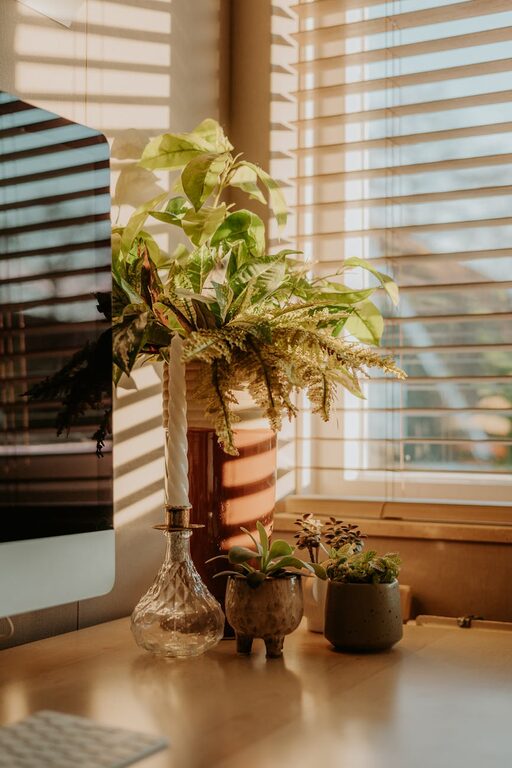
Creating a home office that is both cozy and functional can significantly improve your work-from-home experience. With a well-designed space, you can boost productivity, reduce distractions, and enjoy the comfort of your own room. Whether you have a dedicated room or a small corner, here are practical tips to help you set up a home office that suits your needs and style.
The first step is finding a suitable spot in your home. Consider these factors when selecting your office area:
– Natural light: A space near a window can provide daylight, which helps reduce eye strain and enhances mood.
– Quietness: Choose a place away from high traffic or noise, if possible, to maintain focus.
– Space: Ensure there is enough room for your desk, chair, and other necessary equipment.
If space is limited, a corner in your living room or bedroom can be transformed into an effective workstation.
Comfort plays a vital role in productivity. Here’s what to keep in mind:
– Ergonomic chair: Select a chair that supports your back and promotes good posture to avoid discomfort during long hours.
– Proper desk height: Your desk should allow your arms to rest comfortably with elbows at about a 90-degree angle.
– Adjustability: If possible, consider a sit-stand desk to switch positions and promote movement throughout the day.
Remember, investing in quality furniture is an investment in your well-being and efficiency.
A clutter-free office encourages clear thinking. Use these organization tips:
– Storage solutions: Utilize shelves, filing cabinets, or boxes to keep documents, supplies, and tech accessories neatly arranged.
– Cable management: Keep computer and charger cables tidy with clips or sleeves to prevent tangling.
– Desk accessories: Use trays, pen holders, and drawer organizers to keep frequently used items within reach without cluttering your desk.
Regularly declutter your space to maintain order and minimize distractions.
Colors and décor can influence your mood and focus. Consider the following:
– Soothing colors: Soft blues, greens, and neutrals are calming and can enhance concentration.
– Personal touches: Add photos, artwork, or plants to make the space inviting and uniquely yours.
– Minimalism: Avoid over-decorating to prevent visual overload, which can hinder productivity.
Even a small plant can add freshness and improve air quality.
Besides natural light, good artificial lighting is essential:
– Task lighting: Use a desk lamp with adjustable brightness to illuminate your workspace without glare.
– Ambient lighting: Soft overhead lighting helps create a comfortable atmosphere.
– Avoid harsh lights: Fluorescent lights can cause eye strain; warm LED bulbs are a better alternative.
Adjust lighting based on the time of day and your personal preference.
Technology is key for a functional home office:
– Reliable internet: A strong and stable internet connection is crucial for video calls and online work.
– Efficient equipment: Choose a computer, printer, and other devices that suit your workload.
– Noise-cancelling headphones: These can help block distractions if your home environment is noisy.
Keep your tech setup simple and ergonomic to reduce stress and improve workflow.
Design your office area to help you switch between work and relaxation effectively:
– Separate work from leisure: Avoid working from the couch or bed to create a mental distinction between work and rest.
– Scheduled breaks: Use timers or apps to remind yourself to take short breaks for stretching or a quick walk.
– End-of-day routine: Close your computer and tidy your desk to signal the end of the workday.
Creating routines helps you maintain productivity without burnout.
Your home office should evolve with your needs:
– Reflect periodically: Assess what works and what doesn’t, and adjust your setup accordingly.
– Add new elements: As your work changes, you might need additional storage or new tools.
– Involve family or roommates: If shared spaces are involved, set boundaries and communicate your work schedule clearly.
A flexible approach ensures your home office remains effective and enjoyable.
—
Designing a cozy and functional home office doesn’t require a major renovation. By choosing the right location, investing in comfortable furniture, organizing thoughtfully, and paying attention to lighting and décor, you create a space that supports your work and well-being. Remember, the best office is one that reflects both your professional needs and personal comfort.
