 20 May 2026
 Share
Share
1
Creating a productive home office environment is essential for anyone working remotely or managing tasks from home. A well-designed workspace can improve focus, reduce distractions, and make work more enjoyable. Whether you’re setting up a new office or looking to refresh your current one, these tips will help you create a space that supports your productivity and well-being.
Select a location in your home that is quiet and free from frequent interruptions. This helps minimize distractions and allows you to concentrate on your work.
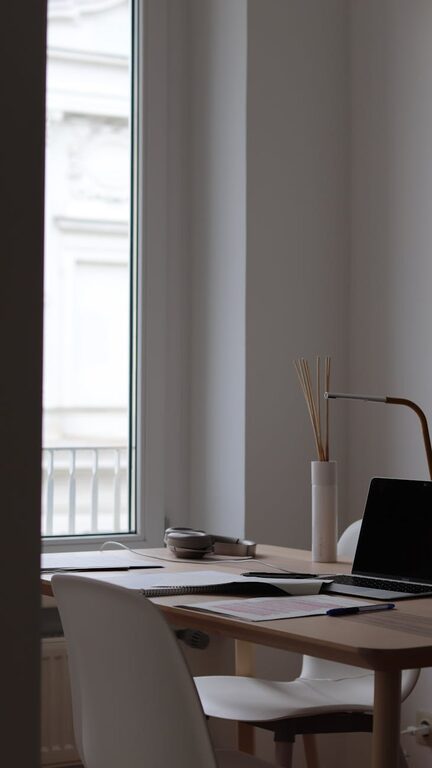
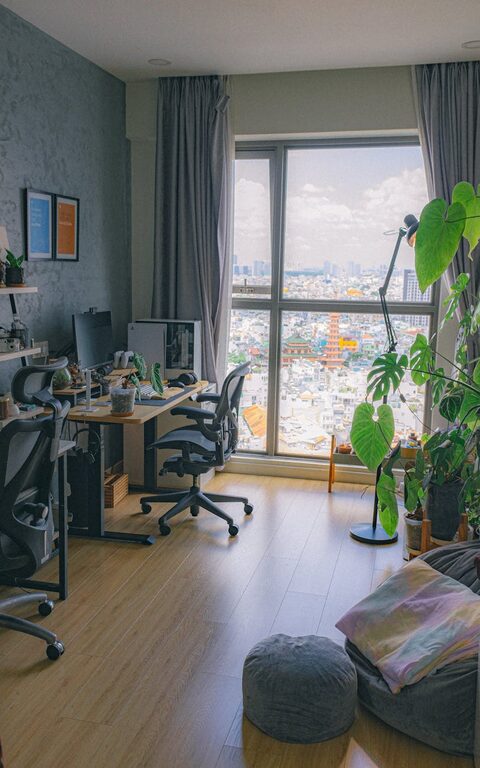
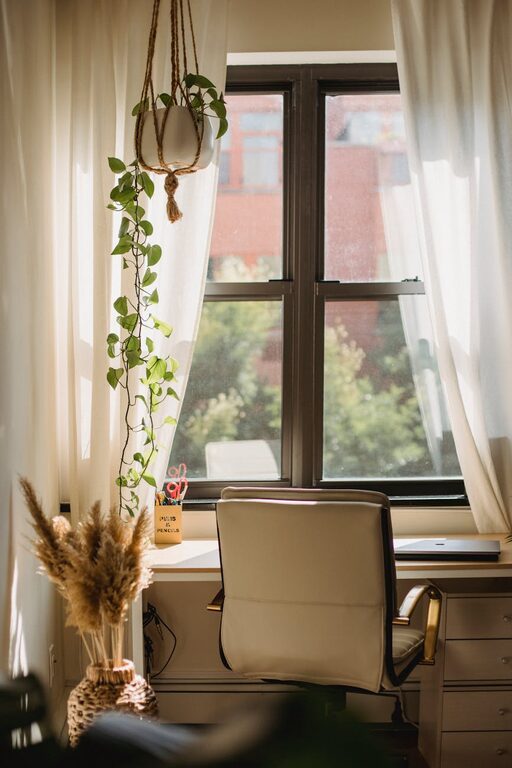
A space with plenty of natural light can boost your mood and energy levels. Try to position your desk near a window, but avoid glare on your screen.
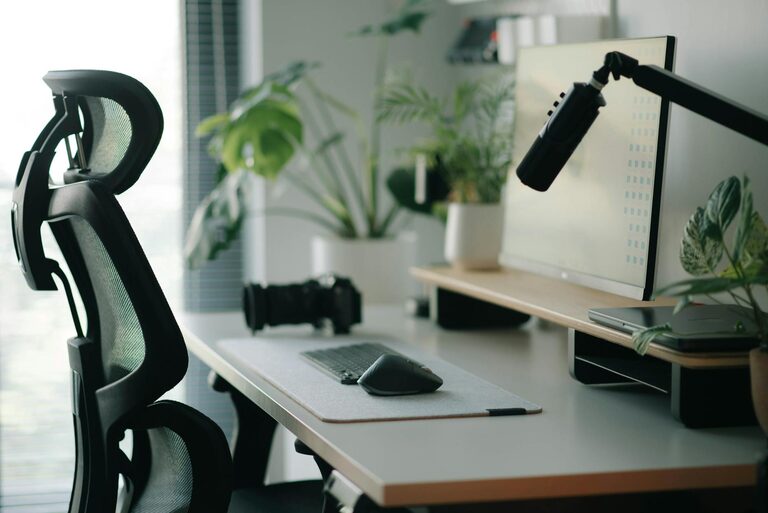
A supportive chair with adjustable height and lumbar support helps maintain good posture and reduces the risk of back pain during long work hours.
Your desk should be the right height so your arms can rest comfortably while typing. If space allows, consider a desk with enough surface area for your essentials.
Keep only necessary items on your desk to avoid clutter, which can be distracting. Use drawers or shelves to store supplies neatly.
Organizers, file holders, and bins help keep documents and office supplies in order. Labeling storage spaces makes it easier to find things quickly.
In addition to natural light, a desk lamp with adjustable brightness can reduce eye strain, especially during early mornings or late evenings.
Overhead fluorescent lights can be tiring. Consider softer bulbs or indirect lighting to create a more comfortable atmosphere.
Use rugs, curtains, or wall panels to absorb noise. If this isn’t possible, noise-canceling headphones can help you stay focused.
If you live with others, communicate your work hours and ask for quiet during those times to reduce interruptions.
A strong, stable internet connection is crucial for video calls and online work. Consider upgrading your plan or using a wired connection if needed.
Use cable management solutions like clips or sleeves to keep cords tidy and avoid a messy desk.
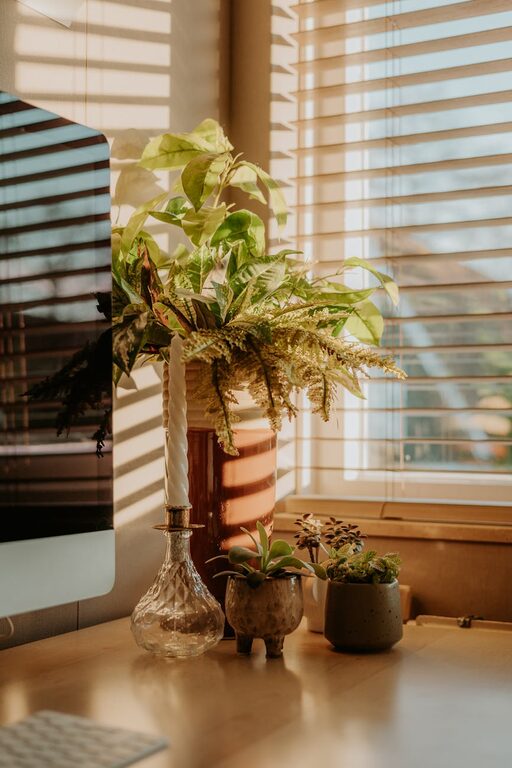
Include items that make your workspace enjoyable, such as a small plant, photos, or artwork, without causing distractions.
Keep the room at a comfortable temperature to maintain focus. A fan or portable heater can help regulate conditions throughout the year.
Define specific start and end times to separate work from personal life. This helps maintain a healthy balance and boosts productivity.
Schedule short breaks to stand, stretch, or walk around. This reduces fatigue and refreshes your mind.
Use apps for task management, time tracking, or note-taking to stay organized and on schedule.
Keep notebooks, calendars, and timers handy for easy reference and planning.
—
By carefully designing your home office with these tips in mind, you can create a comfortable, organized, and efficient workspace. A productive environment supports not only your work performance but also your overall well-being, making your home office a place where you can thrive.