 20 May 2026
 Share
Share
1
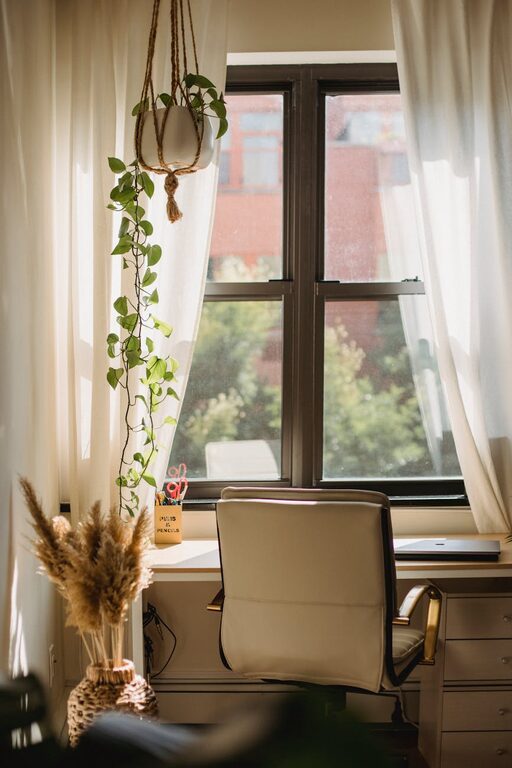

Creating a cozy and inviting workspace at home is essential for maintaining motivation and productivity, especially when your living space doubles as your office. A well-designed home office can positively impact your mood, focus, and overall work experience. Whether you work from home full-time or occasionally, these tips will help you craft a space that feels comfortable, organized, and inspiring.
Finding the ideal spot for your workspace is the first step. Look for an area that offers:
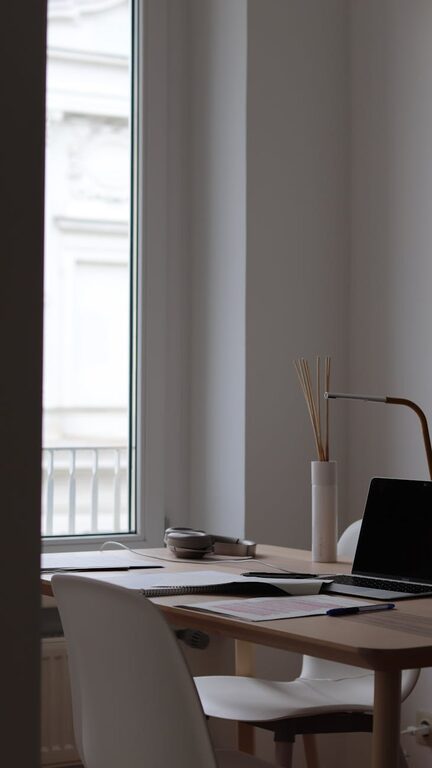
– Natural light: Position your desk near a window to benefit from natural daylight, which improves mood and reduces eye strain.
– Quiet environment: Select a space away from high-traffic areas to minimize distractions.
– Comfortable temperature and ventilation: Make sure the area is adequately ventilated and doesn’t get too hot or cold throughout the day.
If space is limited, consider multi-purpose areas like a corner of your living room or bedroom. Using a room divider or a screen can help create a sense of separation from the rest of your home.
Your chair and desk are the foundation of your home workspace. Prioritize ergonomics to avoid discomfort and fatigue.
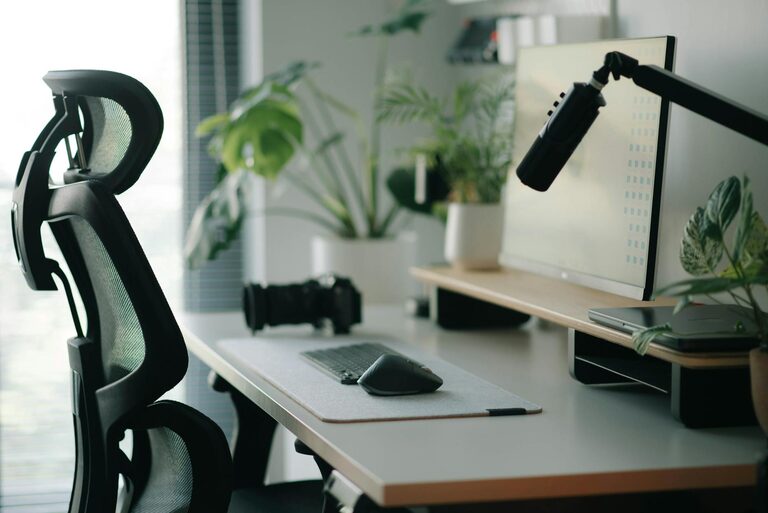
– Ergonomic chair: Choose one with adjustable height, lumbar support, and cushioned seating to promote good posture.
– Desk size: Ensure your desk is spacious enough for your computer, essentials, and some personal items.
– Adjustable options: If possible, consider a sit-stand desk to alternate between sitting and standing during the day.
Adding a footrest or wrist support can also help reduce strain during long working hours.
A personalized workspace motivates you and makes your workday more enjoyable. Here are ways to add personality without clutter:
– Art and photos: Hang inspiring artwork or place framed photos that bring you joy.
– Plants: Incorporate greenery such as succulents or small indoor plants to add freshness and improve air quality.
– Decorative items: Use a stylish lamp, a colorful rug, or unique stationery to reflect your style.
Keep decorations minimal to avoid distractions but enough to create warmth and a welcoming atmosphere.
Clutter can negatively affect concentration. Use smart organization techniques to keep your workspace tidy:
– Storage solutions: Utilize shelves, drawers, or storage boxes to store supplies and documents.
– Desk organizers: Use trays, pen holders, and cable management tools to keep your desktop neat.
– Digital organization: Maintain an orderly digital workspace by organizing files and using task management apps.
Regularly declutter to maintain a clean and functional work environment.
Proper lighting is crucial for reducing eye strain and maintaining focus.
– Natural light: Maximize daylight but use blinds or curtains to control glare.
– Task lighting: Use adjustable desk lamps for focused lighting during detailed work.
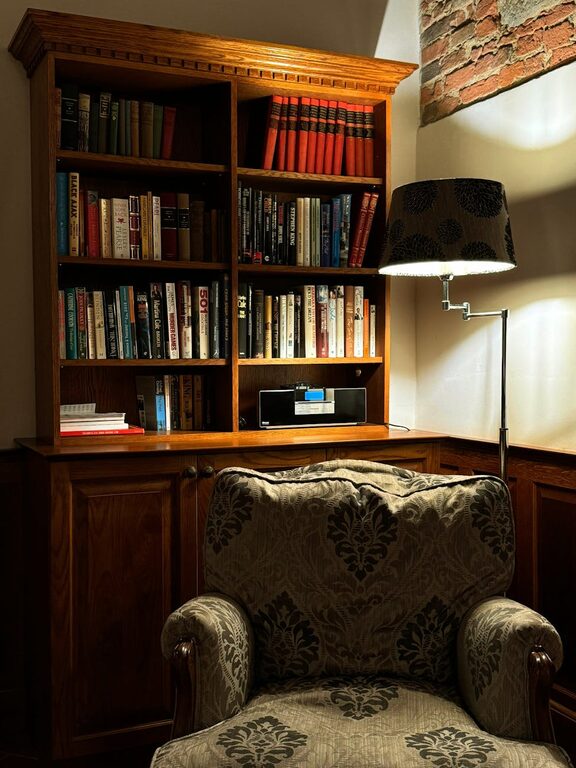
– Ambient lighting: Soft background lighting can create a cozy atmosphere, especially in the early morning or late evening.
Avoid harsh fluorescent lights. Warm-toned bulbs typically create a more inviting feel.
Noise can be distracting, especially if your home is busy.
– Noise-cancelling headphones: These can help you focus amidst background noise.
– Soundproofing: Adding rugs, curtains, and soft furnishings absorbs sound.
– White noise machines: These can mask distracting sounds and improve concentration.
If complete quiet isn’t possible, consider playing soft instrumental music or ambient sounds.
Technology is key for most workspaces, but it can add clutter.
– Charging stations: Set up a dedicated area to charge devices without tangling cables.
– Monitor stands: Use stands or holders to elevate screens to eye level.
– Wireless devices: Opt for wireless keyboards and mice to reduce cable clutter.
Keep cords hidden and devices organized to maintain a clean and efficient desk.
Taking care of your physical and mental well-being improves work performance.
– Temperature control: Have a small fan or heater at hand if your workspace isn’t climate controlled.
– Break area: If possible, designate a small spot nearby to take short breaks away from your desk.
– Hydration and snacks: Keep a water bottle and healthy snacks nearby to stay energized.
Remember to stand up, stretch, and rest your eyes regularly.
Creating clear boundaries and a routine helps maintain work-life balance.
– Workspace rules: Communicate with family or housemates about your work hours and need for quiet.
– Consistent schedule: Set regular start and end times to your workday.
– Workspace use: Use your space only for work to mentally separate work from leisure.
A routine helps your brain shift into work mode and supports productivity.
—
Creating a cozy and inviting home workspace doesn’t have to be complicated or expensive. With thoughtful planning and some key touches, your home office can become a sanctuary that supports your work and well-being. Enjoy the process of designing a space that suits your personal needs and style — your productivity and mood will thank you!